
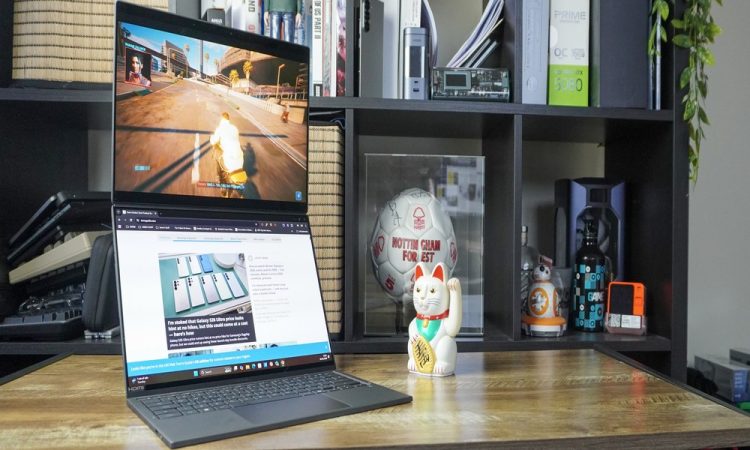

ASUS has built a reputation across the computers, motherboards, and networking market that few competitors can match, and that reputation rests on products that owners often keep for years or even decades. From laptops to motherboards and routers, the ASUS lineup covers a wide range of needs for PC builders and enthusiasts. But owning a ASUS product well requires more than just unboxing it and pressing the power button. The features that justify the purchase are frequently buried in settings, modes, and procedures that only become clear when you actually read the documentation. This guide is written for PC builders and enthusiasts who want to get the most out of their ASUS equipment in 2026 – covering setup, common questions, maintenance, and the practical knowledge that turns a capable product into one that genuinely serves you for the long term.
Understanding the ASUS Product Lineup
The ASUS catalog spans several distinct product families, and knowing which category your specific device belongs to is the first step toward using it well. ASUS produces laptops, motherboards, routers, graphics cards, and monitors, each with its own documentation and its own quirks. Within each of these families, ASUS releases multiple models and generations, and the differences between them matter more than newcomers often assume. A feature available on one model may be absent on another that looks nearly identical. Settings menus differ between generations. Replacement parts are rarely interchangeable across the full range. This is why identifying your exact model number – usually printed on a label on the device itself – is the single most important thing you can do before looking up any documentation or troubleshooting any problem with your ASUS laptop.
Getting Started: First-Time Setup
The initial setup of any ASUS product determines how well it serves you over its entire lifespan, which is why it deserves more attention than most people give it. For computing hardware, the most important early step is BIOS configuration, which the documentation walks through in detail. Skipping or rushing this stage is the most common reason owners end up frustrated with products that are actually working exactly as designed. Take the time to follow the documented setup sequence in order rather than improvising – ASUS engineers structured the process deliberately, and the steps build on each other. Pay particular attention to router setup and laptop optimization, which are the two areas where new owners most frequently make mistakes that affect performance for months afterward. A careful first-time setup, following the manual rather than guessing, pays back across the entire ownership period.
Common Questions and How to Resolve Them
Every product category has its recurring questions, and ASUS laptops are no exception. The most frequent issues owners encounter involve BIOS configuration, driver installation, and RGB lighting control – none of which is a defect, and all of which are addressed clearly in the product documentation. Rather than searching scattered forums for partial answers, the most reliable approach is to consult the manual for your exact model, where ASUS documents the correct procedures and any model-specific considerations. You can ASUS user guides for your specific device and find the troubleshooting section, which typically appears toward the end of the document. Many problems that seem serious – error messages, unexpected behavior, features that appear not to work – turn out to have simple documented solutions that take minutes to apply. Keeping a digital copy of your ASUS manual saved and accessible means that the next time a question comes up, the answer is seconds away rather than requiring another search from scratch.
Maintenance That Extends ASUS Lifespan
ASUS products are generally built to last, but their actual lifespan depends heavily on the maintenance they receive. Regular care is the difference between a ASUS laptop that works reliably for a decade and one that fails prematurely. The documentation specifies maintenance intervals and procedures for each model, and following them is far cheaper than dealing with the failures that neglect eventually causes. Key maintenance tasks for computing hardware typically include laptop optimization, RGB lighting control, and routine cleaning according to the manufacturer’s guidance. None of these tasks takes long, but they need to be done on schedule rather than only when something goes wrong. Owners who establish a simple maintenance routine – guided by the manual rather than guesswork – consistently report fewer problems and longer service life from their ASUS equipment than those who take a purely reactive approach to upkeep.
Unlocking the Full Range of Features
Most ASUS owners use only a fraction of what their devices can actually do. The laptops and motherboards in the ASUS range include capabilities that never become obvious from the physical controls alone – they’re documented in the manual but invisible to anyone who doesn’t read it. For PC builders and enthusiasts, this means that the premium paid for a quality ASUS product often goes partly unused. Spending an evening with the complete documentation reveals modes, shortcuts, and configuration options that can meaningfully change how useful the device is day to day. Whether it’s advanced settings for router setup, optimization options that improve performance, or convenience features that simply make the product easier to live with, the manual is where this value is unlocked. The difference between an owner who reads the documentation and one who doesn’t is often the difference between getting full value from a ASUS purchase and leaving much of it on the table.
Knowing When to Seek Professional Service
Part of owning ASUS equipment well is knowing the boundary between problems you can solve yourself and those that require professional attention. The documentation usually distinguishes clearly between user-serviceable issues and those that need a qualified technician. For computing hardware, simple matters like BIOS configuration and driver installation are well within the reach of most owners following the manual. More complex problems – internal component failures, electrical faults, or anything involving disassembly beyond what the manual describes – are best left to authorized service. Attempting repairs beyond your skill level not only risks making the problem worse but can void any remaining warranty coverage. The manual’s warranty section spells out exactly what’s covered and what actions might void that coverage, which is worth reading before attempting any significant repair on a ASUS laptop.
Getting the Most From Long-Term ASUS Ownership
Owning a ASUS product for the long term is a relationship that rewards a little ongoing attention. The owners who report the highest satisfaction are those who set their devices up carefully, maintain them on schedule, learn their full feature sets, and keep the documentation accessible for the inevitable questions that arise over years of use. For PC builders and enthusiasts, a ASUS laptop is often a significant purchase, and treating it as such – rather than as a disposable item – produces the best return on that investment. Save a digital copy of your manual in a folder you won’t lose, note your model number somewhere accessible, and treat the documentation as the ongoing reference it was designed to be. Done this way, a quality ASUS product becomes one of the more reliable things in your home or workspace, delivering value across many years rather than disappointing through preventable problems.
– – – – – – – – – –